Efforts to date have been inadequate in addressing root cause issues that drive the continued pollution of our natural world, the unhealthy division between the have’s and the have not’s and create a sense of anxiety and hopelessness. Consulting models, hierarchical organisations, mandatory learning and an ever-growing disclosure regime have failed. New mindsets, tools, practices and conversations are required to face painful realities and examine the decisions, actions and values required for safer, healthier and more just futures.
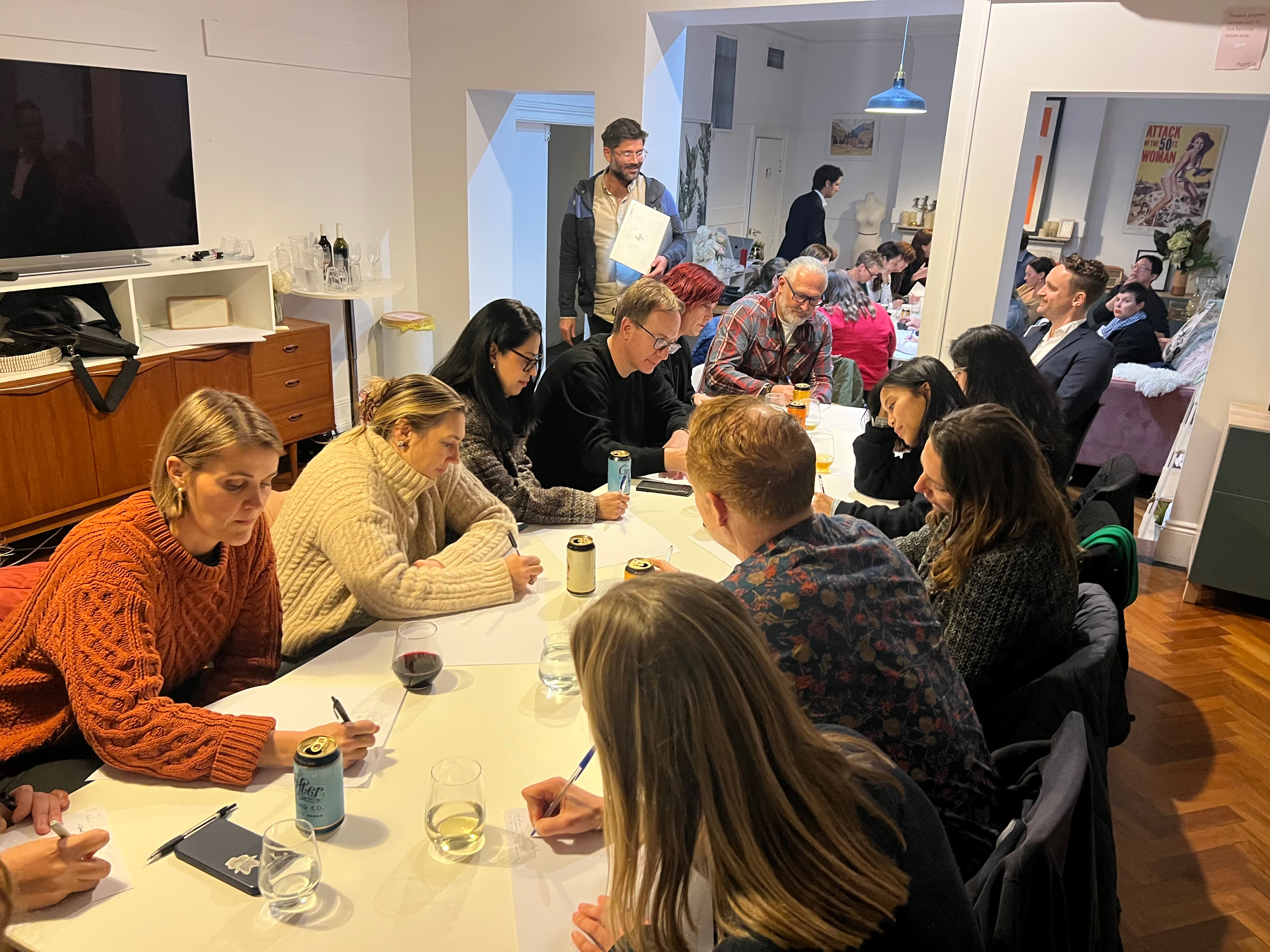
After 20 years as a ‘corporate mutant’ attempting to make change from within as well as being a recovering consultant, Nathan reached a crossroads. A personal upheaval intersected with a professional crisis left him with a simple choice - double down on a path he no longer had faith in, or seek out the road less travelled? Exasperated and choosing the latter, he set about creating the experiences, having the conversations and penning the ideas that formed what Finding Nature is today - a unified network of leading sustainability professionals hungry for change.
Through a process of professional coaching and personal reflection, he realised that a sector of brilliant, passionate and intelligent people have used a set of tools and methods that have proven insufficient in the face of real power. We need new tools and methods, but more than that, we need to transform the mindsets and postures of how we approach our work. To meet today's challenges we need new stories, new perspectives, new efforts, new power.
Just like mycelium networks imperceptibly strengthen our natural world Finding Nature is building the relationships, capabilities and networks that are vital to foster meaningful change in people, organisations and entire communities.
Finding Nature unites people with a fierce willingness to act, embracing that genuine change is difficult but not to be shied away from. We work with people as individuals and groups in a way that they are seen as whole humans who are seeking nourishment, belonging and wisdom and allows them to reach their own potential.

I’ve worked in corporate sustainability and ESG since 2008 after travelling, studying climate science, and environmental management and economics. With that training and a childhood consumed by my dual loves of the Balmain Tigers and animals, I have wanted to work with great teams on issues that would protect, preserve and re-wild wild places.
Efforts to make change as both an advisor and an insider has been a professional adventure of setbacks and celebrations. I’ve been fortunate to learn and be advised in how organisations - groups of people - what they value, how they speak and what they do. Most often these haven’t occurred in alignment with their public commitments nor by truly grasping that their roles require a reckoning with the fundamentals of their belief systems and worldviews. After 20 years of doing and attempting this work, I needed a change.
In 2023 I hit a wall. Lost in the corporate wilderness, I didn’t know what to do or where to turn. I did know that I need to find nature again - my own and that of the natural world. Space to re-connect, contemplate, question and listen. I was exhausted as a corporate Sisyphus trying to push a boulder up the mountain of organisational change. I wanted to tap into the awe and marvel the seven year old me experienced learning about the red panda, the platypus and the great migrations on Africa’s savannahs.
I created Finding Nature with a simple vision - to be a place of honest discussion, deep contemplation and united action. That hasn’t changed, and the Finding Nature team exists to be a vocal actor in the necessary transition to a future that is safer, healthier and more just.
Join me,
Nathan
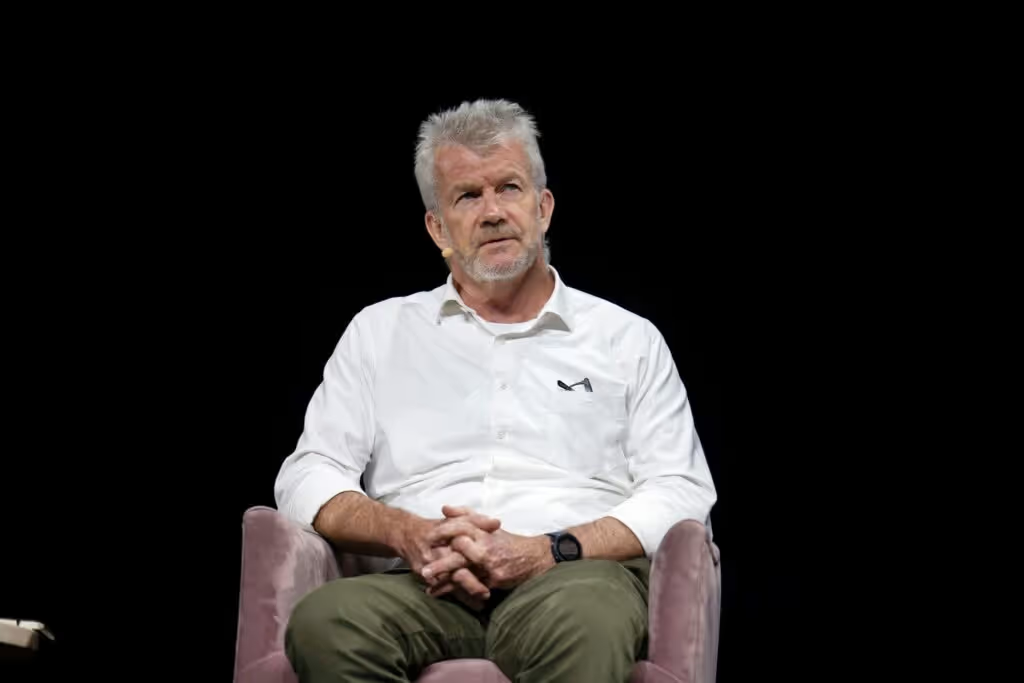
Chris Andrew is a strategic leader and impact specialist known for bridging the corporate world with social and environmental objectives. Intentionally leveraging a professional background in global investment banking and energy sectors, Chris now applies this expertise to the for-purpose sector, focusing on systemic challenges like climate change and financial disadvantage.
He is a passionate advocate for ethical and Indigenous-led finance models, a subject he explored in his highly-regarded TedxSydney talk on Indigenous Designed Finance. A key and vocal contributor since the inaugural event, Chris helps shape Finding Nature's mission at the intersection of conservation, community engagement, and innovative funding mechanisms. Chris holds degrees in Chemical Engineering and Teaching.
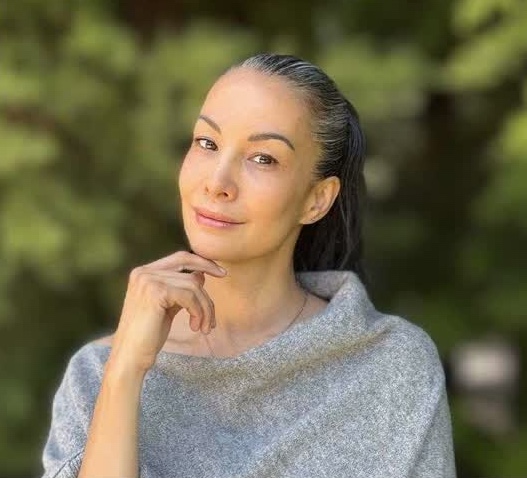
Nadya Hutagalung is the founder of Svara Mandala, bringing three decades of environmental advocacy into direct confrontation with a simple truth: we cannot heal our relationship with the planet while remaining fractured within ourselves.
As UN Environment Goodwill Ambassador, she launched the global #CleanSeas campaign and founded "Let Elephants Be Elephants" to combat the ivory trade. She spoke at the World Economic Forum, addressed the UN General Assembly, and sat on Prince William's Earthshot Prize. But standing on those stages, advocating for external change while feeling internally disconnected, revealed the limitation of the approach.
In 2020, a major health scare forced her to stop. After two decades of Tibetan Buddhist study and facilitating meditation classes, she confronted what she'd been avoiding: she was busy fixing outside when she needed to look inside first. What emerged was Svara Mandala—a wellness company dedicated to restoring connections within ourselves, each other, and with nature through transformative experiences combining ancient wisdom, creative expression, and wellbeing practices.
Through immersive retreats in Bhutan, Bali, and Australia, Nadya facilitates the difficult work of coming home to ourselves. Because the most radical environmental action may be cultivating the inner coherence that allows us to show up whole in the world. When we restore our internal relationship with presence, the quality of everything we touch shifts—including how we relate to the living systems we're part of.
Currently based in Australia, creating spaces where inner transformation and ecological consciousness aren't separate—they're the same work.
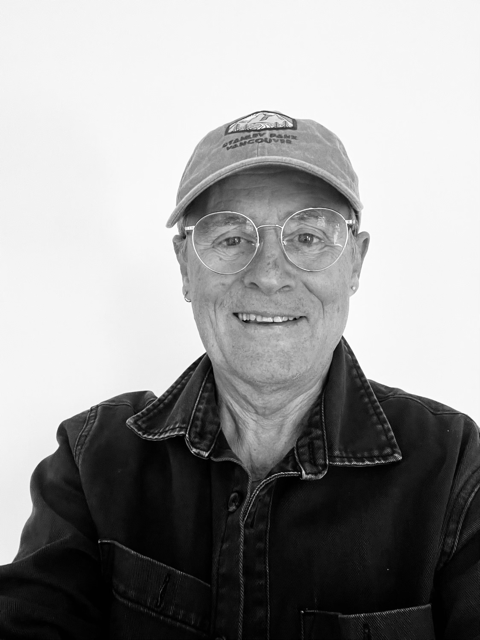
Creative thinker, communication specialist, strategist, writer, musician, artist. Rob has made a career out of wearing a bunch of hats, and often being the square peg in a wall of round holes. Over a lengthy career has gained considerable experience across the entire creative communication diaspora.
Career highlights include owning and running his own advertising agency in Sydney, leading an agency of more than 400 people and USD$150mm in revenue in New York for more than 10 years, being Global Creative Director for a large communications network, being selected as a Jury President at the Cannes Advertising Festival, being awarded Clio Lifetime Achievement Award, and holding two one-man shows of his encaustic paintings in Washington DC. But Rob wasn’t done yet. After quitting full-time work he began to devote his energies to engaging with groups involved in sustainability, became an active member of Randalls Island Park Alliance, Critical Mass, and wrote materials and video for Extinction Rebellion in NY. He also took an advisory role with a US based M&A company and successfully acquired an agency network based in Philadelphia. Returning to Australia, he began working with PhD’s in a strategic consultancy that specialised in the simplification the communication of complex science around new and innovative therapies.
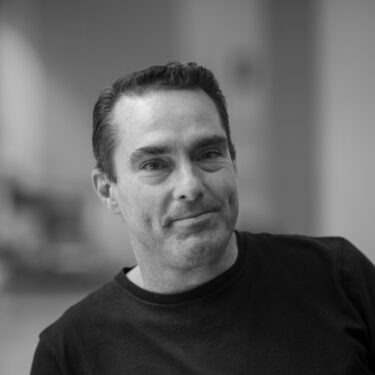
Cameron is a Professor of Design Studies at the University of Technology Sydney where he teaches service design and researches transition design. He returned to UTS in 2018 after a decade in the USA, with appointments at Parsons The New School for Design in New York City and Carnegie Mellon University School of Design in Pittsburgh Pennsylvannia.
Cameron was Director of the UTS Design Innovation Research Centre where he led a number of transition design related projects with partners in the banking and energy sectors, exploring distributed energy systems, inclusive banking services, scam prevention and natural disaster recovery. He is currently involved in government funded research helping social housing tenants cope with increasing heat, industry funded research exploring new energy practices, and university funded research developing planning for ageing tools.
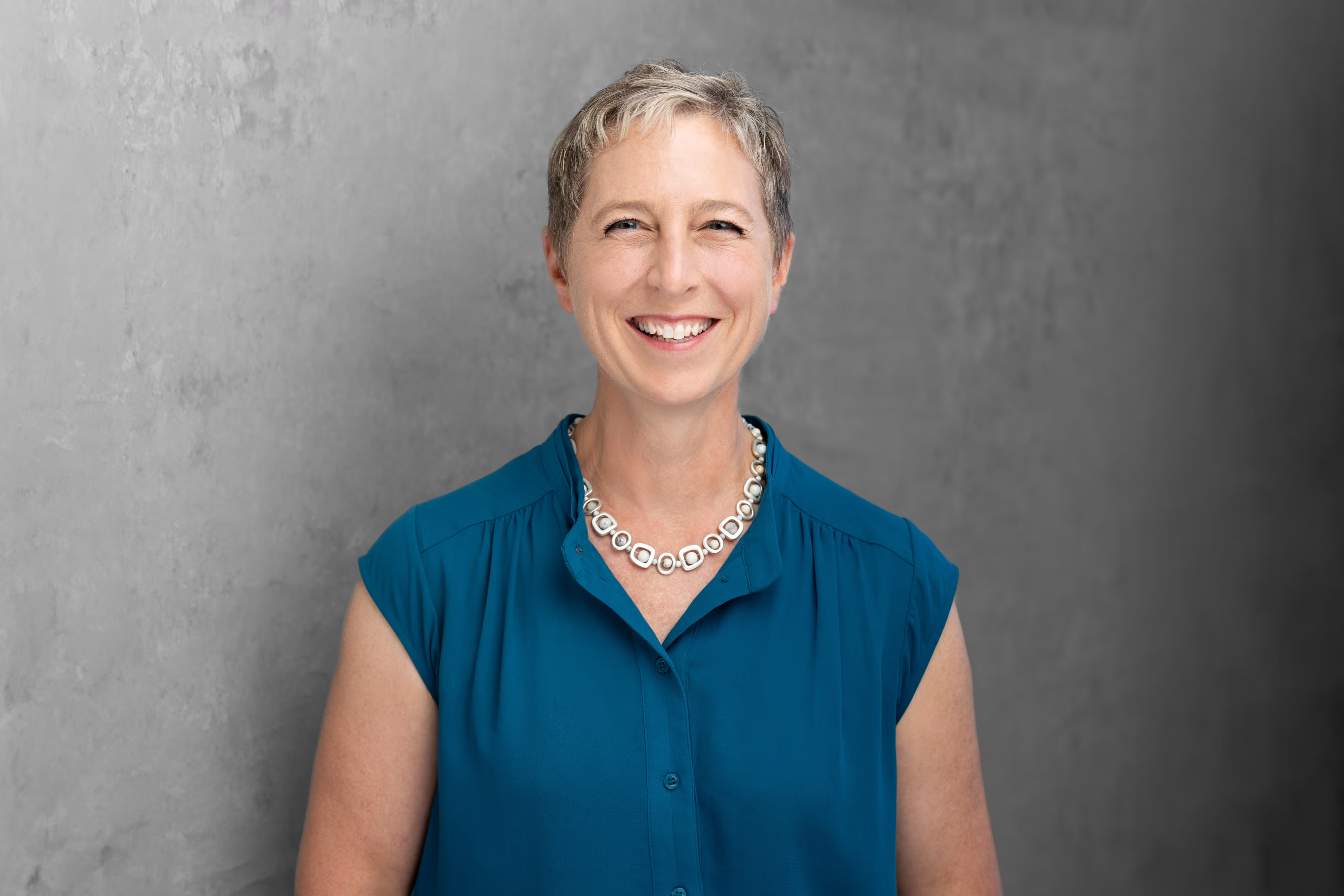
Susan has spent three decades building partnerships and navigating complexity - from implementing enterprise software transformations to leading TEDxSydney through periods of both incredible growth and immense challenges. That work taught her how to connect diverse stakeholders around shared goals and create experiences that bring people together, but it also revealed how often we tackle symptoms rather than root causes.
When Susan stepped away from the TEDxSydney CEO role in 2024, she knew she needed to understand the interconnected challenges we face more deeply. She immersed herself in systems thinking, studying energy transitions, food security, Indigenous knowledge systems, and local biodiversity. What became clear is that our social and environmental crises are fundamentally linked - you can't address climate without addressing inequality, or build resilience without centering community agency.
Susan has the ability to listen deeply, find common ground, and bring diverse perspectives into meaningful collaboration. Her consulting background gave her tools for facilitating change in complex organisations. Her TEDxSydney experience taught her how to build ecosystems where people feel valued and collective action becomes possible, and how to create gatherings that connect people to ideas and to each other in transformative ways.

Andreas is a behavioural economist, strategist, educator and photographer who has made a careerout of crossing borders – cultural, organisational and disciplinary. He grew up in Eastern Germany,experiencing a peaceful revolution, the fall of the Berlin Wall and an entire system dissolve almostovernight. He has been curious ever since about how beliefs, incentives and institutions can bere-designed for better futures.
Over the last two decades he has worked on four continents with organisations ranging fromMcKinsey and Accenture to a royal family office and one of the world’s leading behavioural science centres. His projects have spanned climate-action nudges, public-sector innovation,greenfield health ventures and applied AI, usually where the problem is complex, the stakeholdersare many, and the path forward is anything but obvious.
Now based in Sydney, Andreas splits his time between teaching behavioural economics, datascience and AI, researching how households build resilience to floods, fires and cyclones, andexploring how AI use or abuse can be managed in higher education. In parallel, his event andportrait photography offers a more direct way of paying attention – to people, to place and to thesmall moments that remind us what all this change is really for.
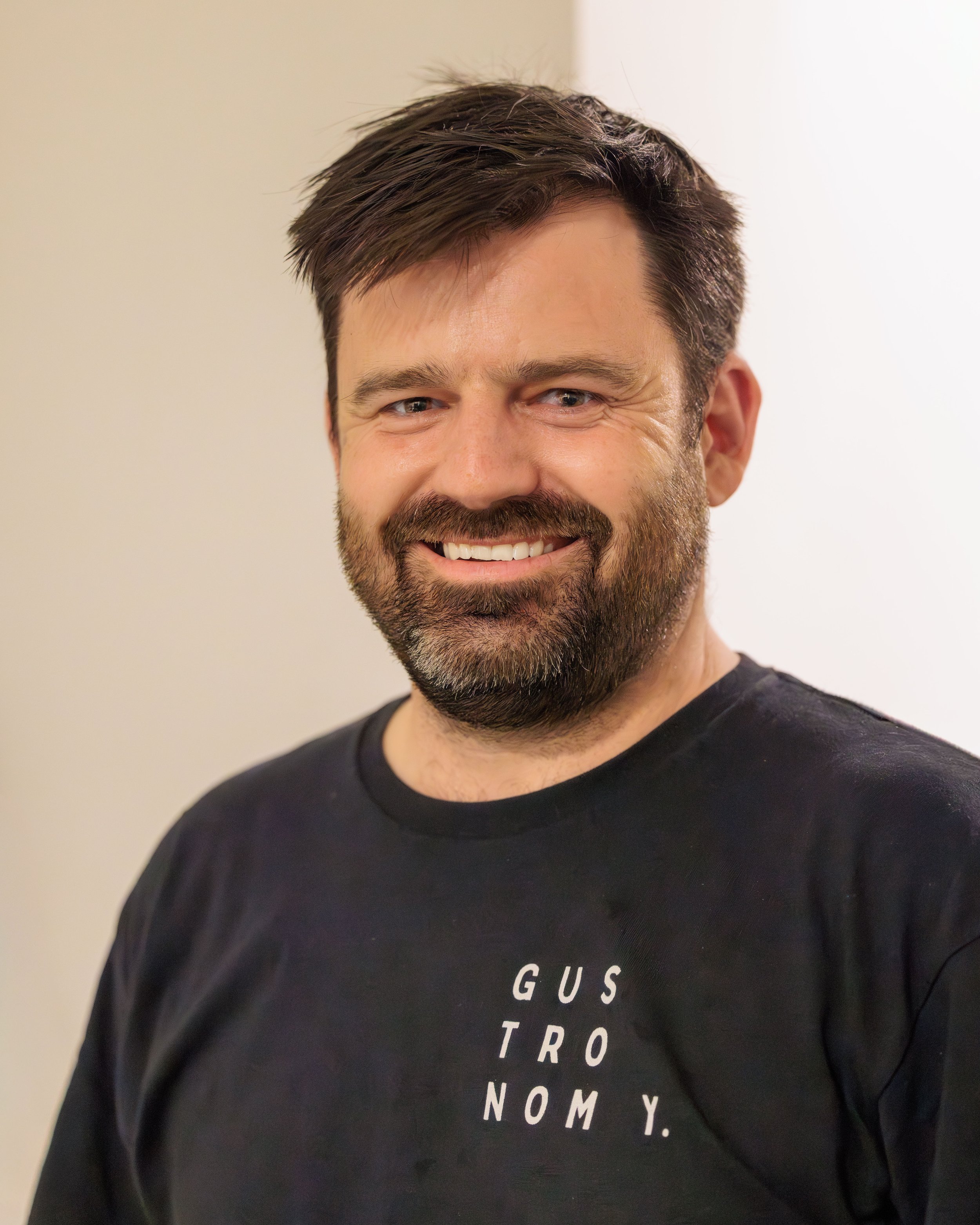
Gus is a dedicated bureaucrat by day and a sustainable caterer by night, balancing a career in public service with a deep-rooted passion for ethical gastronomy. His culinary journey is a tribute to his family and the remarkable women who have shaped his skills and perspective, instilling in him the belief that food is the ultimate medium for connection and heritage.
For Gus, catering is more than just providing a meal; it is an exercise in sustainability and community building. He specializes in bridging the gap between local producers and the plate, highlighted by his work on the launch party for Agaviana—an Australian grown and made agave spirit—and his popular taco pop-ups across Sydney’s Inner West breweries.
Gus curates all the menus for Finding Nature, where he places a specific emphasis on the use of native ingredients. By integrating indigenous flavors into his cooking, he creates authentic experiences that celebrate local provenance, traditional techniques, and the future of a truly sustainable Australian food culture.
TimPascoe0071%201%20(2).png)
Leah is a multi-disciplinary designer currently working in strategic, experience and product design spaces. She believes that since everything around us is designed, we have a responsibility and opportunity to consciously design the future we want to live in. She has worked across a number of industries including news, entertainment, SaaS - most recently on integrating AI into existing products. Experienced working within large organisations, she has become a fierce advocate for users while balancing their needs with business goals and technical constraints.
For Leah, design is a powerful tool for collaboratively making sense of complex challenges and uncovering the foundational problems that need solving. She helps teams address complexity by facilitating collaborative workshops, conducting user research, and running strategic design processes that help teams work together to make sense of ambiguity and build solutions that create positive change.
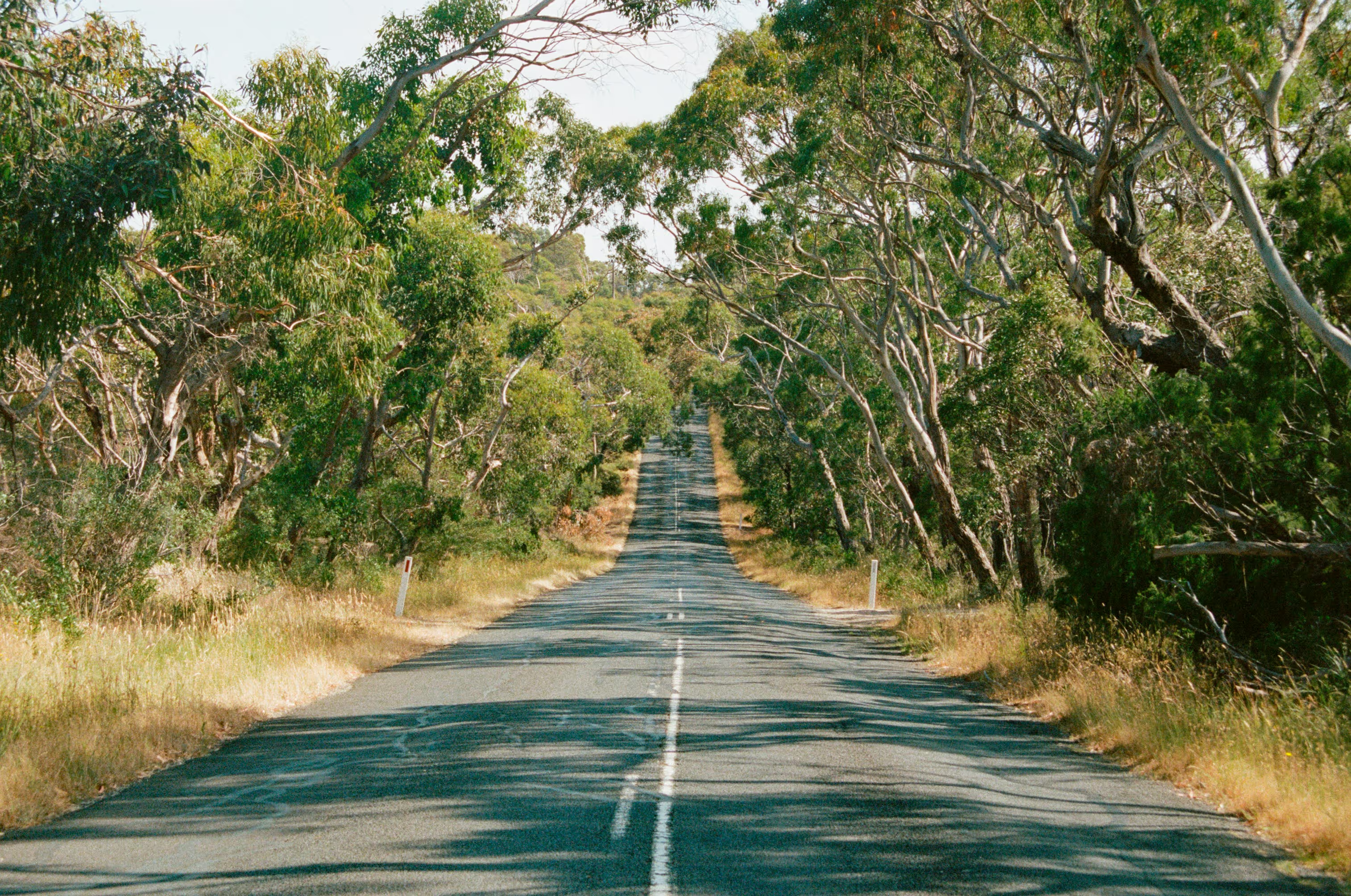

Providing organisations and professionals the support, expertise and tools to reach their sustainability ambitions.